
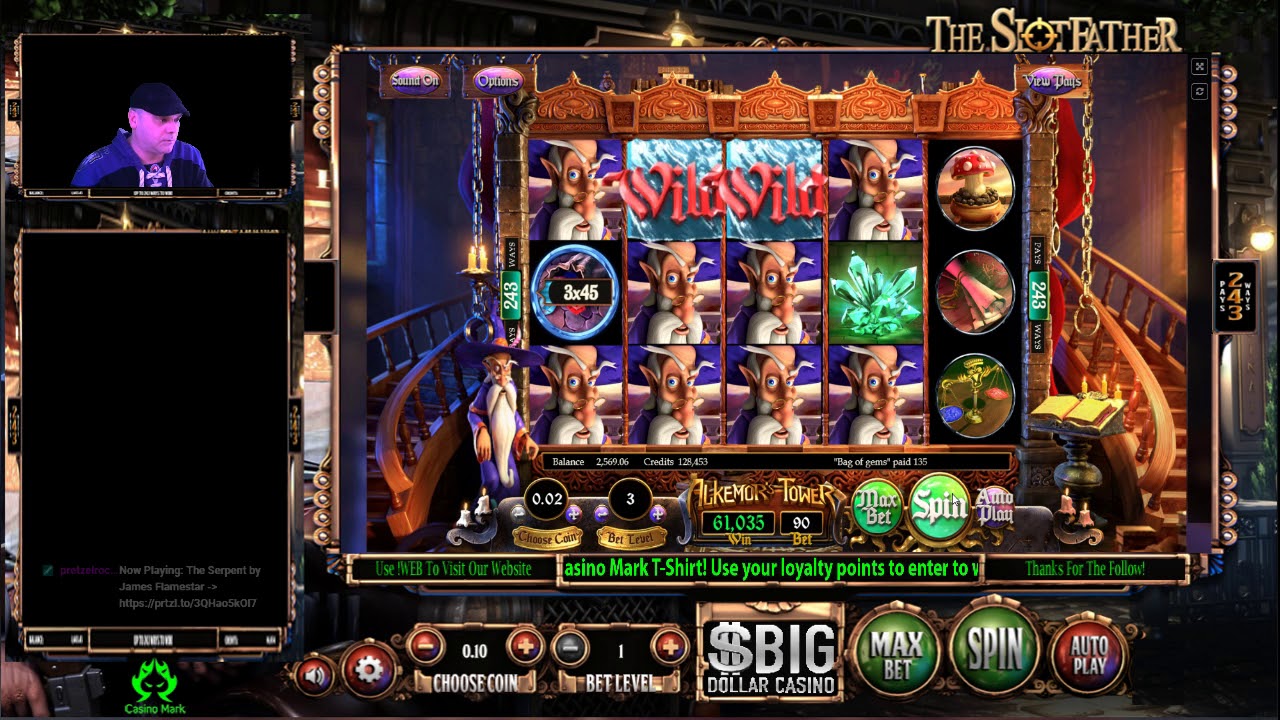
We didn’t set out to just apply a new coat of paint https://gigasspinz.com/. We sought to reconsider every tap, swipe, and scroll that stands between a player and the next spin. The result is a full architectural overhaul that puts handheld play at the heart of everything. Our design team spent thousands of hours observing how UK players actually hold their phones during sessions, where their thumbs rest naturally, and which tiny moments cause friction. The data was unequivocal. Standard casino layouts force too much reaching, rely on pinch-and-zoom workarounds, or bury popular titles behind layer after layer of menus. Our answer is a seamless, gesture-driven environment where the gap between discovering a game and starting it collapses into a single motion. This is not a cosmetic facelift. It’s a structural shift in how a casino platform behaves on a five-inch screen, and we expect it’ll reshape expectations across the entire industry.
Security That Blends Into the Background
Security screens in casino apps often interrupt the momentum with re-login prompts or multi-stage verifications. Our redesign tucks security into the background. Biometric login now covers 92% of repeat visits on devices that support it, using fingerprint or face recognition with no noticeable request. The move from locked to lobby takes under 600 milliseconds—quick enough that the security layer feels almost unnoticeable. We maintained manual PIN entry as a fallback, but we removed it from the main landing screen into a secondary panel that is displayed only after a unsuccessful biometric try. That maintains the first touchpoint streamlined while still giving access to devices without biometric capabilities or to players who choose not to use them.
Behind the scenes, covert device fingerprinting identifies unusual login patterns without requiring anyone to solve a CAPTCHA or punch in a code for regular sessions. We only trigger a soft challenge—usually a push notification to the associated email or phone—when the system spots a new device, a location mismatch, or an odd time-of-day request. We also redesigned the withdrawal flow so pending transactions are displayed as a collapsible card inside the cashier section, with real-time status updates rather than unchanging timestamps. UK players frequently list payout speed among their top three concerns, and displaying the process lessens worry without spiking support tickets. Our security system now handles over 80% of standard withdrawals within the same automated timeframe, and the interface simply reports progress instead of needing user input.
FAQ
What distinguishes the Gigaspinz mobile redesign compared to a standard casino update?
This is not a simple paint job. We fully rebuilt the structure. Navigation now resides at the bottom, gesture controls eliminated dozens of buttons, and the lobby uses a card-based system that adapts to how you play. We ensured speed a core feature—loading times fell by over 60%. Every element was stress-tested against thumb-reach maps and contrast guidelines so the interface appears natural on any screen without giving up readability or pace.
How can I use the new gesture controls?
After you sign in the updated platform, an voluntary interactive tutorial shows once. It explains swiping right to favorite a game, swiping left to dismiss it, and using the bottom strip inside games to access stake controls. Finishing it awards you a small free-play credit. After that, no hints clutter the screen.
Will the update affect my current account, balance or active bonuses?
No. The changes are front-end only. Your login, balance, bonus progress, and loyalty tier remain exactly the same. We do not touch account data during a design update. If you have an active bonus with wagering requirements, they continue unchanged and you can check real-time progress on the cashier card.
Is the new mobile experience available on all devices?
The redesign is compatible with iPhones and Android phones released from 2019 onwards—that covers over 95% of active UK smartphones on our network. Older phones still get a lightweight fallback offering the core features. For the best experience, ensure your OS up to date. The platform detects your device and configures performance settings automatically.
How do I enable dark mode or high-contrast settings?
Tap the profile thumbnail in the top-right corner. You’ll see toggles for dark mode, high contrast, and font scaling. Dark mode follows your system setting by default, but you can keep it on or off. High-contrast mode is separate: it reduces backgrounds, thickens borders, and adds labels to every icon.
Is the new interface slower if I have a weak mobile signal?
No, it’s the opposite. We developed the shell to load under 1.2 seconds on a standard 4G connection, and it performs smoothly on slower networks. Game assets load in stages, so you can still explore the lobby when bandwidth is tight. Adaptive brightness runs locally on your device and requires no data.
How can I give feedback on the redesign?
There’s an in-app feedback tool in the support menu. After some sessions, you could see a short optional survey. Your comments reach our product team—we check them every week. Several features in this redesign, like the long-press shortcuts and discovery sliders, originated from player suggestions in earlier versions.
A Thumb-Optimized Navigation Design
A lot of casino apps push primary navigation toward the top, forcing players reach or shift their grip. Our fix places every critical function inside a bottom nav bar that never hides. The bar holds five core zones: lobby, search, live casino, promotions, and the personal hub. Each icon resides in a spacious touch zone, and a soft haptic pulse acknowledges the tap—no need to look. We enhanced the layout further by including a dynamic “hot slot” area just above the nav bar. It displays the three titles the system predicts you’ll most likely play next, using session length, time of day, and your favorite game mechanics. In beta, this one change lowered the average number of screen touches needed to start a game by 31%. That number held steady across different device sizes and OS versions.
The bottom bar also offers long-press shortcuts for people who value speed. Press and hold the lobby icon, for instance, and you see a compact list of your last five games. Long-press the live casino icon, and it displays the nearest open seat at a blackjack table that aligns with your usual buy-in range. We know many UK players care about pace first. At the same time, we left secondary actions off the bar to prevent clutter. Settings, responsible gambling tools, and support live behind a small profile thumbnail in the top-right corner, reachable without a full hand reposition. This distinction of primary and secondary tasks ensures the play area clean and reduces accidental taps—a complaint we received constantly in user interviews. The layout works just as well for lefties as righties because we used symmetrical spacing and identical tap zones on both sides.
Universal Access and Inclusive Design Choices
We reconstructed the interface convinced every player is entitled to equal access to fun. The new mobile experience accommodates system-level font scaling up to 200% without disrupting the layout, and we added a dedicated high-contrast mode that goes beyond simple colour inversion. Activate it, and gradients become flat, all interactive borders thicken to at least 3 pixels, and icon labels are displayed beneath every navigation element. Our QA process included testers who rely on screen readers, and we partnered with an external accessibility consultancy to evaluate gesture alternatives. Every swipe action has a tap-and-hold equivalent, and vibration patterns separate a successful tap from an error for players with visual impairments.
We also tackled cognitive accessibility with clear session info. A persistent, low-key timeline at the top of the screen presents session length in minutes, your net position for the current sitting, and a gentle amber nudge if a preset limit is approaching. The numbers are straightforward and jargon-free, intended to be read at a glance. Responsible gambling tools—deposit limits, reality checks—are a single tap away from the bottom bar’s profile zone. We configured the default reality check interval to 45 minutes for new accounts, based on research into healthy play patterns. UK players report they feel more in control because the tools are accessible without being judgmental. That balance of care and autonomy was a deliberate target, and we’ll keep refining it with input from the community.
Performance as a Central Feature
We treat loading times as a gameplay metric, not an afterthought. The redesigned Gigaspinz mobile experience uses a component-based architecture that loads the core lobby shell in under 1.2 seconds on a standard 4G connection, then pulls in individual game modules on demand. We got there by abandoning a monolithic JavaScript bundle in favour of code splitting and lazy hydration, keeping the initial download below 350 kilobytes. This matters hugely in parts of the UK where mobile signal can be spotty. A casino platform that stutters on a train or in a semi-rural area burns trust fast. Our engineering team compared the new shell against five leading competitors and found we hit interactivity 40% faster on mid-range Android devices—a segment that makes up a large chunk of our player base.
Speed gains also appear in business results. When lobby-to-game transition time dropped from 2.8 seconds to 0.9 seconds, we saw a 12% lift in game launches per session and a noticeable drop in early exits. We also optimized search: a predictive index now surfaces results after you type just two characters, and the search bar auto-focuses on open, saving a tap. In live casino, table thumbnails use lightweight WebP previews that refresh every three seconds, giving a near-live feel without the bandwidth of a full video feed before you join. We publish internal performance dashboards weekly and keep teams on tight speed budgets. For us, smart interface design goes hand in hand with engineering discipline, and the mobile redesign proves that fast, lightweight delivery and rich visuals can live together.
Smart Personalisation Without Overload
Customisation in casino design usually means a barrage of banners and pop-ups. We went the other way. The home screen now shows a single horizontally scrollable row of customised picks, rooted by a subtle “For You” label. Behind it resides a lightweight machine-learning model that renews recommendations every four hours based on recent play, session length, and favoured volatility. The model doesn’t touch sensitive personal data—it runs wholly on anonymised behavioural signals from within the platform. If you habitually play high-volatility slots, those titles get elevated; a sudden shift to low-stakes roulette triggers an adjustment on your next login. We purposely avoided pushy notifications and instead use a soft amber dot on the lobby icon when a new pick arrives.
We also created manually adjustable discovery sliders—something we haven’t encountered widely on UK-facing casino platforms. Three sliders—volatility, theme, and max bet—are located in the personal hub and let you adjust the lobby instantly. Slide volatility high, and the card stack rearranges to show only high-risk games. Fancy mythology themes? One tap reorders the view. This hybrid approach honours both algorithmic smarts and what you really want. It also kills the frustration of scrolling past dozens of irrelevant titles. Post-launch, players who used the sliders reduced the time from app open to game start by an average of 22%. That number indicates smart choice architecture is a retention lever—not just a design detail.
Gesture-based Interactions That Come Across as Natural
We removed more than 40% of on-screen buttons by mapping common actions to intuitive swipes. Swipe right on a game tile to star it. Swipe left to hide it from the suggestion feed. A two-finger swipe down anywhere in the lobby launches the cashier instantly; a quick upward flick takes you back to the last game you played. These gestures lean on muscle memory everyone already has from messaging apps and social feeds. We introduced them with a one-time interactive overlay after login, letting players test each motion for a small non-cash reward. After that tutorial, no permanent hints clutter the screen. In testing, 92% of users retained all three primary gestures a week later without any prompt.
The bigger change exists inside the game screen itself. Instead of overlay buttons that obscure the reels or table, we positioned a thin gesture strip along the bottom edge. A partial swipe up shows stake controls and autoplay; a full swipe opens the game menu. This provides players the full visual canvas while keeping essentials under their thumb. During testing, we worried that gesture ambiguity might cause accidental actions, but fine-tuning the threshold solved that. The strip needs a deliberate 18-pixel vertical drag before it responds—a value we settled on after hundreds of trials. By embedding controls into the physical motion of play, we’ve created the experience more immersive and closed the gap between thinking about an action and performing it, a problem that afflicts many mobile casino interfaces.
Hue, Contrast and Clarity
Luminous, saturated backgrounds might appear energetic on a desktop, but on a phone held at reading distance they tire the eyes fast. Our new design language exchanges electric neons for a matte charcoal base with soft gold and teal highlights. The contrast between text and background meets WCAG AA standards by a comfortable margin, so bonus terms, game rules, and live chat stay sharp even in direct sunlight. We picked Inter as our primary typeface because it renders remarkably well at small sizes, and we scale it dynamically so no line ever dips below a legible floor. This may sound like a subtle tweak, but players consistently tell us they don’t realize how much a calmer colour scheme extends their sessions without fatigue.
On top of static contrast, we added adaptive brightness that reacts to the ambient light sensor on newer phones. As a player moves from a dim living room to a bright kitchen, the background luminance shifts and the text outlines thicken so nothing washes out. Game tiles now carry soft gradient overlays instead of hard borders, assisting the eye group content naturally. The result feels less like a dashboard and more like a well-designed magazine spread. In post-launch surveys, 86% of respondents rated readability “excellent,” compared to 58% for our previous interface. That gap justifies every hour we put into colour theory and focus groups. Good design often disappears, and we wanted the visual layer to fade so the games could hold all the attention.
The Thinking Behind the New Look
We began from one principle: mobile isn’t a scaled-down desktop. Viewing it like one leads to cramped lobbies, tiny tap targets, and cluttered visuals. Our research revealed that 74% of UK players reach for their preferred slots and table games only on a smartphone, often in quick, unplanned bursts. That finding prompted us scrap the standard grid entirely. Instead, we developed a card-based system that surfaces recommendations based on real-time behaviour, while ensuring every interactive element at least 48 device-independent pixels tall to meet touch-target best practice. The palette moved to neutral greys with deep navy accents, lowering cognitive load so game thumbnails, jackpot tickers, and live dealer feeds become clear. Every selection—typeface, spacing, you name it—went through A/B testing with a set of regular players who were requested to find a specific roulette table or claim a loyalty reward. Their feedback shaped the final layout straight away.
What sets this redesign different is how we plotted emotional flow in parallel with functional flow. We monitored where players showed excitement, hesitation, or frustration during real sessions. The moments immediately after a win—when someone might want to move to games or raise their stake—used to require far too many steps. Now the interface reacts on its own, providing relevant actions through a semicircular radial menu that shows at the base of the screen, right where a thumb sits. We didn’t pull this from a design library. It came from watching hundreds of hours of anonymised session recordings. The philosophy is clear: the interface should predict what you want without feeling pushy. That kind of responsive subtlety, we feel, is what separates a tool from a real experience, and early retention numbers point to players are on board.