
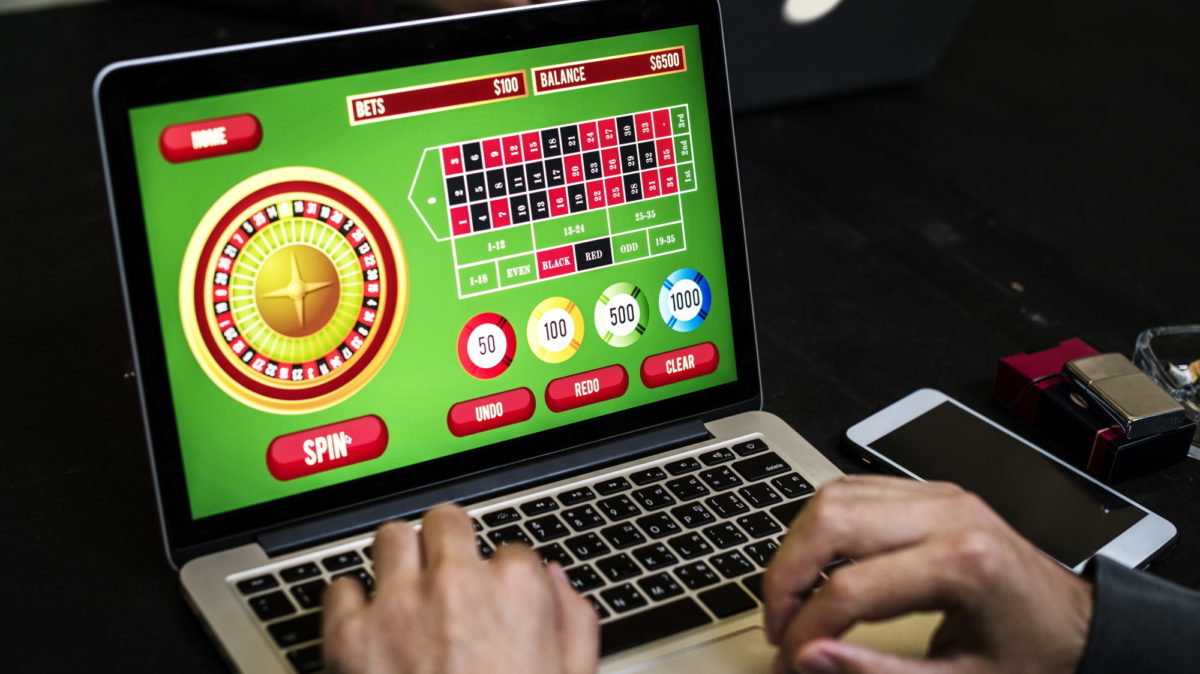
Any online gaming platform is governed by a enforceable legal framework called terms and conditions. For Swiss players accessing online Casinacho Casino partenariat affilié, these documents establish the relationship between the user and the operator. They are more than formalities. They establish deposit rules, withdrawal limits, bonus eligibility, and privacy protections in accordance with Swiss law. Comprehending them reduces disputes and guarantees a trouble-free experience.
What Are Casino Terms and Conditions
Casino terms and conditions form a binding in law contract. By signing up at Casinacho Casino, a player agrees to these clauses. The document regulates account management, payment processing, wagering requirements, and behavioral standards. It also outlines the jurisdiction in charge of dispute resolution. In Switzerland, these agreements must conform to federal gambling regulations and cantonal interpretations of consumer protection statutes.

A carefully written terms page serves as a shield for both parties. It defends the operator from liability while protecting players from arbitrary rule changes. At Casinacho Casino, the terms are designed to mirror local sensitivities, including allusions to Swiss franc transactions and data sovereignty requirements. Players should view this document as a map of their rights and obligations before putting any wager.
Most users browse through these pages and select “accept.” That habit carries risk. The enforceable nature means you are answerable for every clause, even the ones hidden deep in the text. Swiss law usually upholds clickwrap agreements when they are reasonably visible. Therefore, overlooking the fine print at Casinacho Casino offers no legal defense later if a misunderstanding arises regarding bonus redemption or fund seizure.
Navigating Payout and Verification Clauses
Verification governs financial access. Know Your Customer protocols required by Swiss anti-money laundering law shape the terms at Casinacho Casino. A player agrees to supply state-issued ID, proof of address, and payment method proof before a first withdrawal. The contract permits the operator to postpone cashouts until these documents are approved. Vague or blurred submissions reset the review timeline.
Source-of-funds checks constitute an escalation. For larger transactions, the terms enable the compliance team to require salary statements or tax returns. This clause shocks high-net-worth individuals who anticipate anonymous high-roller treatment. The legal framework in Switzerland does not permit gambling sites to overlook suspicious wealth. By agreeing to the terms, a player agrees to intrusive financial scrutiny when hitting specific thresholds.
Withdrawal structuring is prohibited. The terms explicitly ban breaking up a single large balance into smaller, serial cashouts aimed at avoid enhanced due diligence. The algorithm catches this behavior. Casinacho Casino retains contractual grounds to revoke payouts and refer the matter to authorities if it discovers deliberate evasion. Grasping this clause helps legitimate Swiss players avoid accidental rule infractions that could endanger their entire balance.
Dormancy clauses also matter. If an account stays dormant for a period outlined in the contract, administrative fees might begin eating into the balance. The terms detail the exact timeline, usually a year. They also state what constitutes activity. A mere login might not be enough; a wager or deposit may be required. This legal detail safeguards the operator from carrying indefinite liabilities on idle Swiss accounts.
The importance of Promotion-Related Stipulations
Bonus deals represent the most common friction point in online casinos. The standard conditions provide a structure, but the small print attached to a offer holds the real power. Regulatory bodies in Switzerland more and more insist on clarity in marketing, compelling platforms to show important caps from the start. However, users have to proceed to the dedicated bonus page to review the full stipulations controlling bonus spins or match deposits at Casinacho Casino.
Wagering conditions dominate these rules. A promotion may appear appealing unless you figure out the wagering factor. The conditions state that before you bet the promotional sum 30 times, your balance is restricted. The terms also specify which titles qualify toward fulfilling the requirement. Often, 21 or the wheel add a only five or 10 percent versus slot machines. Playing banned games jeopardizes invalidating your bonus and all associated gains totally.

The maximum bet condition surprises many people off guard. During active bonus play, Casinacho Casino usually caps your bet at a specific CHF cap per spin. Going over this limit, even inadvertently, provides the platform a legal authority to confiscate gains. The terms shield the house from risky approaches that try to mine bonus potential. Objectively, compliance with this regulation is entirely the user’s responsibility.
Temporal limits are relevant also. Offers do not remain endlessly. The rules indicate an expiry date, often denoted in time. Should you do not meet the turnover target before the end of the period, the platform deducts the bonus and every derived winnings. Players from Switzerland who treat promotions as everlasting credit balances are regularly disappointed. The terms overrides any polite notification or advertising banner. The documented terms serves as the final authority on these expiration dates.
Core Parts of a Lawful Casino Terms
Any robust online casino contract features several universal pillars. The primary is account eligibility. Casinacho Casino firmly requires age verification to satisfy Swiss majority laws. The terms also outline residency restrictions. A player situated in a restricted canton or using a VPN to bypass geolocation blocks violates the agreement instantly. Such violations cause instant account closure and potential forfeiture of funds.
The next element addresses financial transactions. Deposit and withdrawal policies are hardly ever straightforward. The terms set out which payment methods are acceptable, what verification documents are needed for source-of-wealth checks, and how long processing times last. For Swiss users, the terms also mention currency conversion fees between Swiss francs and euros. Casinacho Casino reserves the right to batch withdrawals to cut administrative costs, a detail often missed by players.
The third element involves intellectual property. Software, graphics, and the brand name Casinacho Casino are safeguarded properties. Players are forbidden from scraping data, misusing the interface, or disassembling the platform. The terms also prohibit offensive conduct in live chat rooms. The fourth section is liability limitation. The casino admits no responsibility for technical glitches, internet lag during live games, or losses experienced while playing under the influence of alcohol.
Termination rights constitute the ultimate core section. The operator holds extensive authority to close accounts deemed a financial or reputational risk. In Switzerland, where stability counts, sudden account closures can feel shocking. However, if a user infringes a minor rule, the terms often permit Casinacho Casino to terminate the relationship without thorough explanation. Reviewing this section preserves realistic expectations about account longevity.
Partner Programme Terms and Revenue Structures
Working with a casino requires a separate layer of agreement understanding. The affiliate terms at Casinacho Casino govern how marketers obtain revenue. These pages outline commission models, which might include revenue share, cost-per-acquisition blends, or flat fees. The legal agreement establishes the portion of net gaming revenue owed to the partner, calculated after deducting bonuses, chargebacks, and licensing taxes particular to Swiss market operations.
Advertising standards are integral to the affiliate contract. Partners must not aim at underage audiences or publish misleading content about odds. Swiss competition law is relevant, meaning affiliates cannot run negatively framed comparative ads against direct rivals. The terms establish strict brand bidding restrictions. Utilizing the trademark “Casinacho Casino” in Google keyword searches often results in commission forfeiture, a common mechanism designed to protect organic brand traffic from being poached artificially.
Negative carry-over clauses are contentious but prevalent. The terms explain that if a referred player wins big one month, the resulting negative commission balance rolls into future earnings. A Swiss marketer might wait months before seeing positive income again. The contract fixes this arrangement. Affiliates who fail to grasp this reset condition often accuse operators of unfairness, yet the original legal acceptance binds them to the accounting methodology.
Payment schedules are rigorously defined. The terms specify minimum thresholds for payouts and the available methods, which often leave out certain Swiss digital wallets due to compliance costs. Termination rights for affiliates are typically sharper than those for players. The agreement enables Casinacho Casino to sever the relationship with immediate effect if the partner damages the brand’s reputation. All tracked referrals are then permanently lost according to the contractual forfeiture rules.
Waiver of Liability and Dispute Resolution
Casinos operate at the boundary of technical certainty. Consequently, liability waivers make up a thick section of the document. The terms declare the platform is supplied “as is.” Casinacho Casino disclaims liability for downtime caused by server maintenance or internet outages impacting Swiss providers. If a game fails and displays an incorrect win, the contractual recourse centers on the actual server-side transaction log, as opposed to the visual glitch.
Force majeure clauses safeguard against extraordinary events. Natural disasters, government shutdowns of payment rails, or pandemic lockdowns that freeze customer support reaction times nullify liability. The legal text forms a buffer against claims that originate from delays beyond the operator’s control. The calm tone of this section mirrors a realistic acceptance that no digital service can ensure perpetual access across all conceivable circumstances.
Dispute resolution clauses frequently mandate mediation before litigation. Swiss civil procedure promotes out-of-court settlements. The terms typically name a specific cantonal court or arbitration chamber as the exclusive venue for claims. This blocks players from filing suits in distant jurisdictions. By registering, you waive the right to class actions, pledging instead to individual arbitration. This profoundly influences how financial disagreements with Casinacho Casino are resolved.
Governing law is undeniably Swiss for the local interface. Even if backend servers are located elsewhere, the contractual relationship is grounded to local statutes. This choice of law offers players certainty but also demands compliance with domestic court formalities. The small print explains that English terms might exist alongside localized versions, but the local language text prevails in legal interpretation conflicts affecting a Swiss user.
Changes to Policies and Player Notification
Static contracts are not present in digital gaming. The terms contain a variation clause that allows Casinacho Casino to alter rules independently. Swiss law usually demands reasonable notice before changes become active, often an email alert or pop-up upon login. Significant shifts in bonus policy or withdrawal fees require you to explicitly reaffirm consent. Continued play after the notification date constitutes binding acceptance of the new draft.
Neglecting to read the updated version places you at a disadvantage. The calm rhythm of platform use could be broken by introduced restrictions. For example, a jurisdiction change in a Swiss canton may force sudden product removal. The terms cover this regulatory adaptation window. Players who go on to wager after a prompt are legally deemed to have read and agreed. There is no grace period for willful ignorance in the eyes of contract law.
Archived versions of terms are not always visible. Casinacho Casino keeps the live version as the only official reference. If a dispute relates to a past promotion, the exact wording that was present at that moment might be challenging to find. The contract advises players to save screenshots of critical clauses when participating in high-value play. This objective advice places the burden of proof on the individual to track the specific terms applicable at the time of the wager.
Data Protection Policies and Information Handling in Switzerland
Data privacy terms complement the main agreement. Switzerland follows its own Federal Act on Data Protection, recently updated to conform more tightly to European GDPR standards. The terms at Casinacho Casino detail how personal identifiers, gaming habits, and financial records are stored. They state that servers could be situated abroad, but data processing promises adherence to Swiss adequacy standards.
Cookie consent and tracking scripts monitor user behavior for responsible gambling purposes. The legal text states that the platform records session duration, stakes, and rapid logins. This monitoring is not malicious; it supports mandatory player protection algorithms. In Switzerland, social responsibility mandates operators to detect problem gambling markers. By accepting the terms, you authorize for this automated health monitoring of your gameplay patterns.
Third-party data sharing is restricted but not abolished. The terms name payment processors, auditing firms, and regulatory bodies as possible recipients. Subsidiaries of Casinacho Casino could access the data for marketing, assuming opt-in consent was secured elsewhere. Swiss law mandates that data cannot be repurposed for unrelated activities without explicit agreement. The privacy clauses serve as a promise, legally enforceable, that your contact details will not be sold randomly.
Players have rights to data access and deletion. You can demand a copy of your file via the support channel listed in the terms. However, legal retention obligations supersede deletion impulses. Anti-fraud logs and transaction histories persist beyond account closure typically for a decade. The terms prepare the client for this reality, clarifying that “right to be forgotten” has clear boundaries in a regulated gambling context inside Switzerland.
Dotazy
Are the rules at Casinacho Casino enforceable in Switzerland?
Indeed, they represent a binding contract governed by Swiss law. Upon clicking “accept” during registration, users verify they have reviewed and comprehended the clauses. Swiss courts generally uphold these clickwrap agreements provided the terms appeared transparently. Breach of any clause grants the operator the agreed right to hold or seize funds and close the account immediately.
What happens when I break a bonus rule?
The system logs every stake. If you exceed the maximum bet or use a restricted title while a bonus, the contract permits the cancellation of promotional funds and attached winnings. Unawareness is not a valid defense. The terms put full responsibility on the player to go through the specific promotion rules prior to activating any offer at Casinacho Casino and to check their gameplay rigorously.
Is it possible for the casino change withdrawal limits without warning?
The variation clause enables modifications upon prior notice. Swiss consumer law often mandates reasonable notification. In the event a new processing cap is set, Casinacho Casino will likely contact active players or show a login alert. Continued use of the account after the alert constitutes acceptance of the updated financial limits and will be applicable to current and future cashout requests similarly.
Why are affiliates lose their commissions in negative months?
This arises due to the adverse carry-over policy specified in the affiliate terms. If sponsored players triumph heavily, the generated revenue becomes negative. This gap rolls forward into the next month. The marketer must “pay back” the loss through future player losses before commissions restart. Without this rule, the casino would take all risk while affiliates obtain only profit-based rewards.
How exactly does the data protection clause affect my privacy?
The terms comply with the Swiss Federal Act on Data Protection. Private data is utilized for identity verification, fraud checks, and responsible gambling monitoring. The operator pledges not to sell your data to outside parties without consent, except to payment processors and regulators. You hold the right to request data access, but transaction logs are stored for years by legal mandate.
What occurs with my balance if I don’t access for a long time?
Check the dormancy section. If an account remains idle for the contractually defined period, monthly administrative fees could start eating into the balance. A simple login might not reset the timer; a real-money wager or deposit is typically required to maintain active status. Eventually, prolonged inactivity can lead to a zero balance and account closure under the terms.