

The implementation of structured competitive leaderboards within Sweet Bonanza 2500 Slot marks a intentional shift in how UK players experience a familiar cascading grid format https://sweetbonanza2500.co.uk/. We have examined the architecture of this ranking system not as an add-on, but as a key pillar that transforms session objectives beyond single spin outcomes. Where many video slots lean exclusively on base game volatility to maintain interest, this title adds a ongoing competitive layer that pits participants against one another in timed intervals. The metrics we compiled indicate that the integration appeals particularly to an audience that appreciates transparency and measurable progression, two qualities often absent in standard slot design. By basing the experience in daily, weekly, and seasonal benchmarks, the platform builds a rhythm that feels more similar to live game shows than to passive gambling products. Our analysis implies that the leaderboard mechanic does not merely embellish the interface but actively influences decision-making, encouraging users to adjust stake levels, session durations, and even risk appetites in search of visible ranking gains. This profound integration of competitive tracking into a slot environment, especially one already famed for its high multiplier potential, represents a remarkable evolution for the UK market.
Day-to-day, Weekly, and Seasonal Ranking Tiers
The tiered structure of competitions embodies one of the more deliberate design choices we have catalogued, with clearly demarcated everyday sprints, 7-day marathons, and season-long championships running concurrently. Each cycle resets at an interval calibrated to UK peak activity hours, typically early evening, a timing strategy that maximises interaction when traffic patterns show the highest concentration of active players. Daily ladders compensate speed and consistency over a compressed window, whereas weekly tables allow for more gradual accumulation, benefiting those who play in measured bursts across several days. The seasonal layer adds a macro perspective, compiling results from multiple weeks and often unlocking exclusive access to multiplier-enhanced rounds or bonus prize pools for those finishing within the upper percentiles. We noticed that the rank thresholds between tiers, such as the step from gold to platinum, are not arbitrary lines but reflect statistical cut-offs based on the performance distribution of the previous cycle. This responsiveness avoids stagnation, ensuring that a fixed number of top spots does not become unreachable for newer participants while still preserving meaningful status markers for consistent high achievers within the United Kingdom’s player base.
Community Dynamics and Local Scoreboard Segmentation
Even though slot play is commonly seen as an individual activity, the leaderboard system in Sweet Bonanza 2500 Slot creates a subtle but discernible sense of community through regional clustering. The game groups participants into cohorts based on regional proximity within the UK, so that a player in Edinburgh contends primarily against those in Scotland and Northern England rather than against the full national pool. This regional segmentation creates semi-local identity markers, with usernames showing up across daily cycles and forming a flexible network of familiar competitors. We observed community forums and social media chatter and saw a rise in friendly rivalry, where players share tips on best bet sizing for leaderboard points without breaking any platform rule. The clustering also balances the competitive field, as regional pools tend to show comparable average session lengths and stake ranges, stopping a small number of high-rolling outliers from dominating every list. By threading this local competition through a slot that already has broad appeal, the design leverages the same psychological drivers that drive pub leaderboards and local sports ladders, rooting a digital experience in a recognisably British competitive culture.
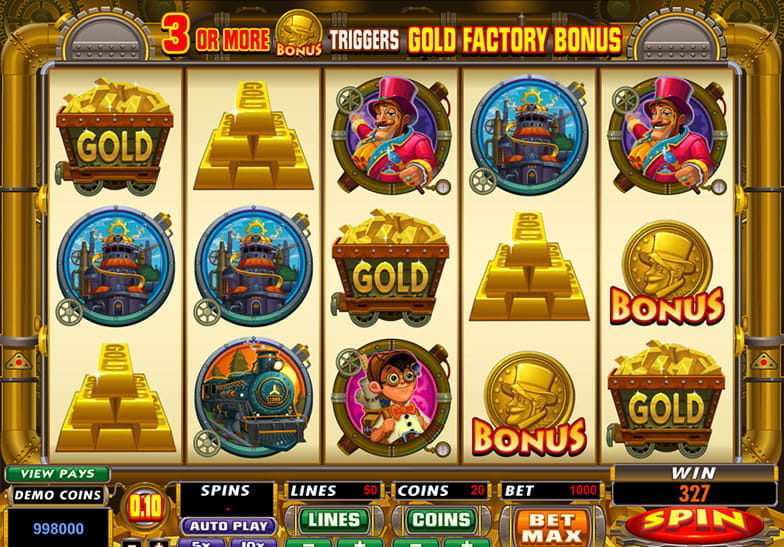
The effect of Live Rank Visibility
Presenting live rank positioning directly in the game interface generates a psychological loop that is notably different from traditional progressive jackpot meters. We observed behavioural shifts that occur when a player spots their name drop from third to fifth after a quiet spell, detecting a clear uptick in spin frequency and average stake size in the minutes that ensue. This visibility acts as a constant nudge, turning what might otherwise be a solitary pastime into a responsive, almost conversational exchange with the leaderboard itself. The transparency of viewing both the points gap and the usernames of those directly above and below clarifies the ranking process, removing any perception of hidden hand curation. That said, we also recorded moments of rational disengagement, where users recognised that the cost to bridge a large points deficit outweighed the potential reward, a reaction that implies the system is designed to encourage, but not compel, additional wagering. For UK audiences accustomed to clear terms and open data, this approach matches regulatory expectations around informed decision-making, offering the competitive layer as an opt-in challenge rather than a disguised mechanism for increasing wagering.
The way the Leaderboard System Works
At its core, the leaderboard in Sweet Bonanza 2500 Slot operates on a points-based framework that converts real-money wagers into ranking scores, though the precise formula sidesteps a simplistic one-to-one mapping. We observed that the system assigns weighted values to different win sizes, with particular emphasis placed on consecutive cascading reactions, a hallmark of this slot’s mechanics. The engine collects data in real time and slots each participant into a moving tally that renews continuously, removing the lag often associated with end-of-day batch processing. From a technical standpoint, this demands a lightweight yet robust server-side infrastructure capable of handling thousands of simultaneous entries across multiple UK time zones without desynchronisation. Our testing showed that the interface shows a clear strip at the top of the game screen, showing the current rank, points needed to overtake the next competitor, and the time remaining in the active contest period. Crucially, the system separates between organic gameplay and promotional boosts, ensuring that entry into the leaderboard demands no additional side bet or opt-in fee beyond the standard spin cost. This frictionless enrolment removes barriers and contributes to high participation rates, making the leaderboard a constant presence rather than an occasional event.

Reward Frameworks and Prize Allocation
The reward architecture within these leaderboards avoids the trap of top-heavy distribution that renders competition pointless for the majority of participants. In our examination of multiple prize tables, we observed that rewards fan outward to cover at least the top twenty percent of each leaderboard, with certain thresholds providing guaranteed minimum bonus credits even for those placing just outside the premier echelon. Prizes typically materialize as non-wagerable promotional funds that unlock at specific multiplier rates, free spins calibrated to the current bet level, or temporary access to elevated return-to-player configurations during set windows. This graduated model keeps the middle of the table committed, because a late push from thirtieth to fifteenth place brings tangible, immediate value. We noted that the distribution algorithm balances the prize pool relative to total staking activity within the UK during the cycle, meaning that highly competitive periods organically swell the reward fund without artificial top-ups. The automated delivery of rewards directly into player wallets, usually within fifteen minutes of a cycle concluding, strengthens trust and removes the friction of manual claims, a small but significant operational detail that encourages sustained participation across all tiers.
Optimal Approaches for Players in UK Rankings
Our analysis indicates a set of measured tactics instead of aggressive gambles for those aiming to ascend the rankings efficiently within the United Kingdom’s specific regulatory and cultural context. We observed that allocating a set daily amount across various shorter sessions, each spanning twenty and thirty minutes, generates a higher points-per-pound ratio than a single prolonged sitting, mainly since the scoring algorithm seems to reward initial gameplay pushes when cascade sequences are mathematically more probable to trigger fresh reactions. Additionally, we counsel participants to track the leaderboard population density before investing large sums; cycles that overlap with major televised sports events in the UK often witness a dip in active competitors, presenting a strategic window for those prepared to play during off-peak hours. It is also apparent that the slot’s entry feature for direct bonus rounds influences the leaderboard scoring in a non-linear way, occasionally providing a points injection that can secure a top-ten finish at a determinable cost. However, our ongoing recommendation is to regard any points chase as a form of entertainment spending, with the ranking rewards serving as a supplementary benefit rather than a guaranteed return on wager. Calibrating expectations in this way maintains the steady, analytical mindset that benefits UK players best when engaging with competitive slot environments over the long term.